Veronica Gambara. The True Portrait?
Studio Liquor Vitae — Pietro Vocale and Liliana Vocale, 2017 · 61 pages
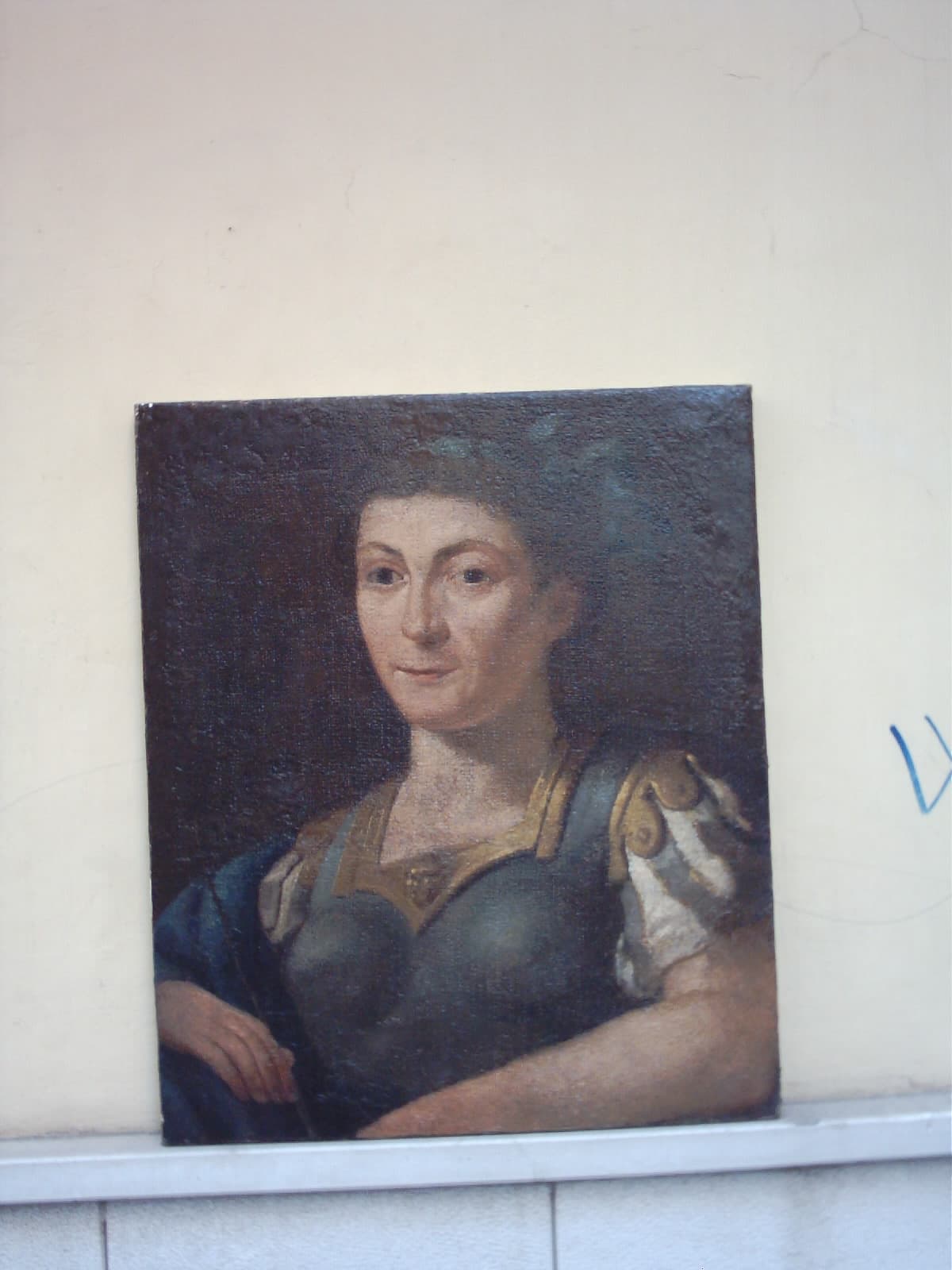
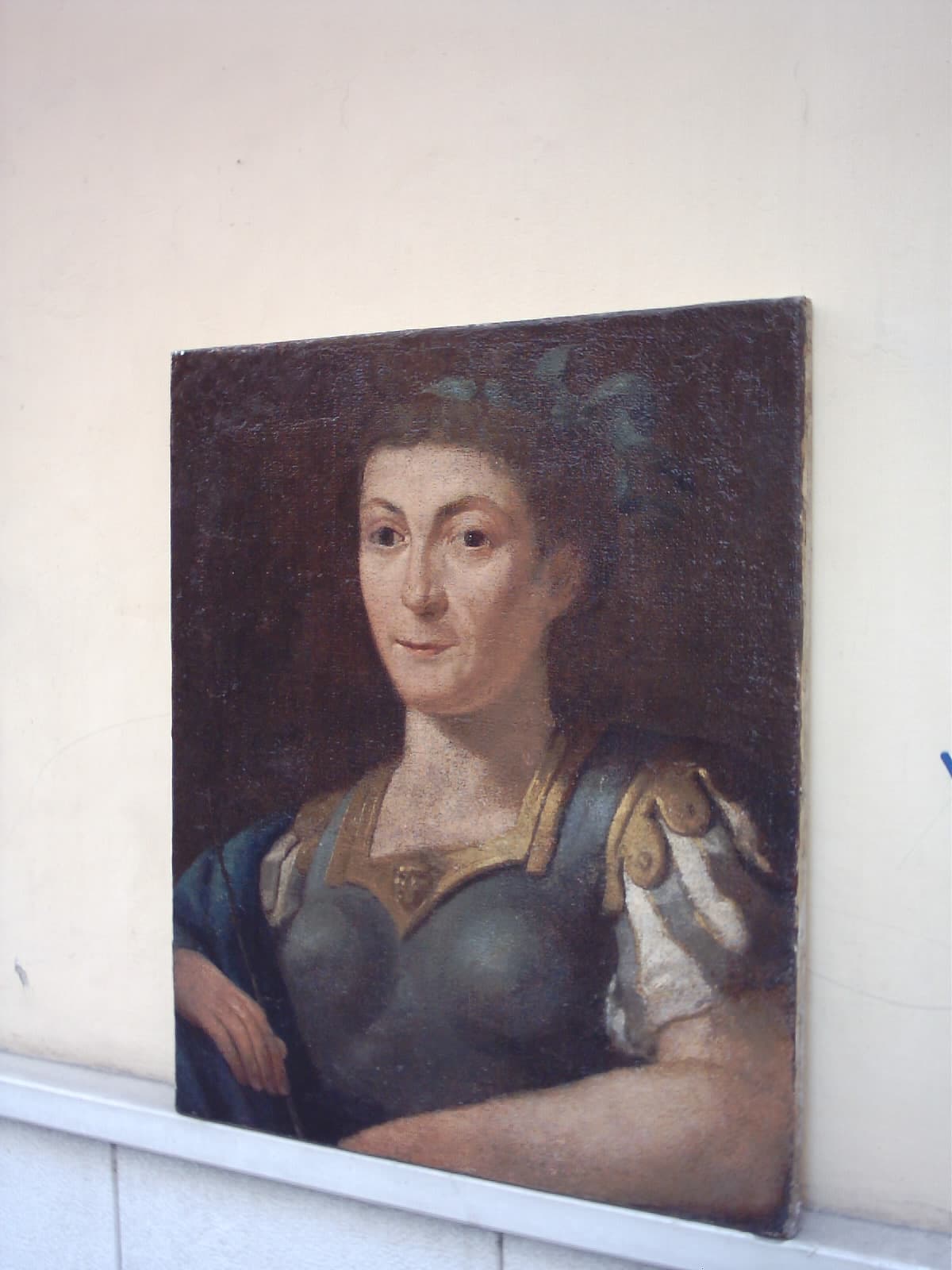
A few years ago, in a Roman noble collection of old paintings and mixed holdings, an unsettling portrait came to light: a figure in armour, a Renaissance sword hilt in hand, the gaze intense and severe. The features looked almost masculine. On the reverse of the stretcher, a worn paper label said only: “La Veronica Gambara” — and the date 1520.
The first reaction was disbelief. How could the celebrated Petrarchist poet of Correggio be that heroic, almost martial figure? Pietro and Liliana Vocale chose not to dismiss the painting: they began checking, and the surprises were enough to fill a book.
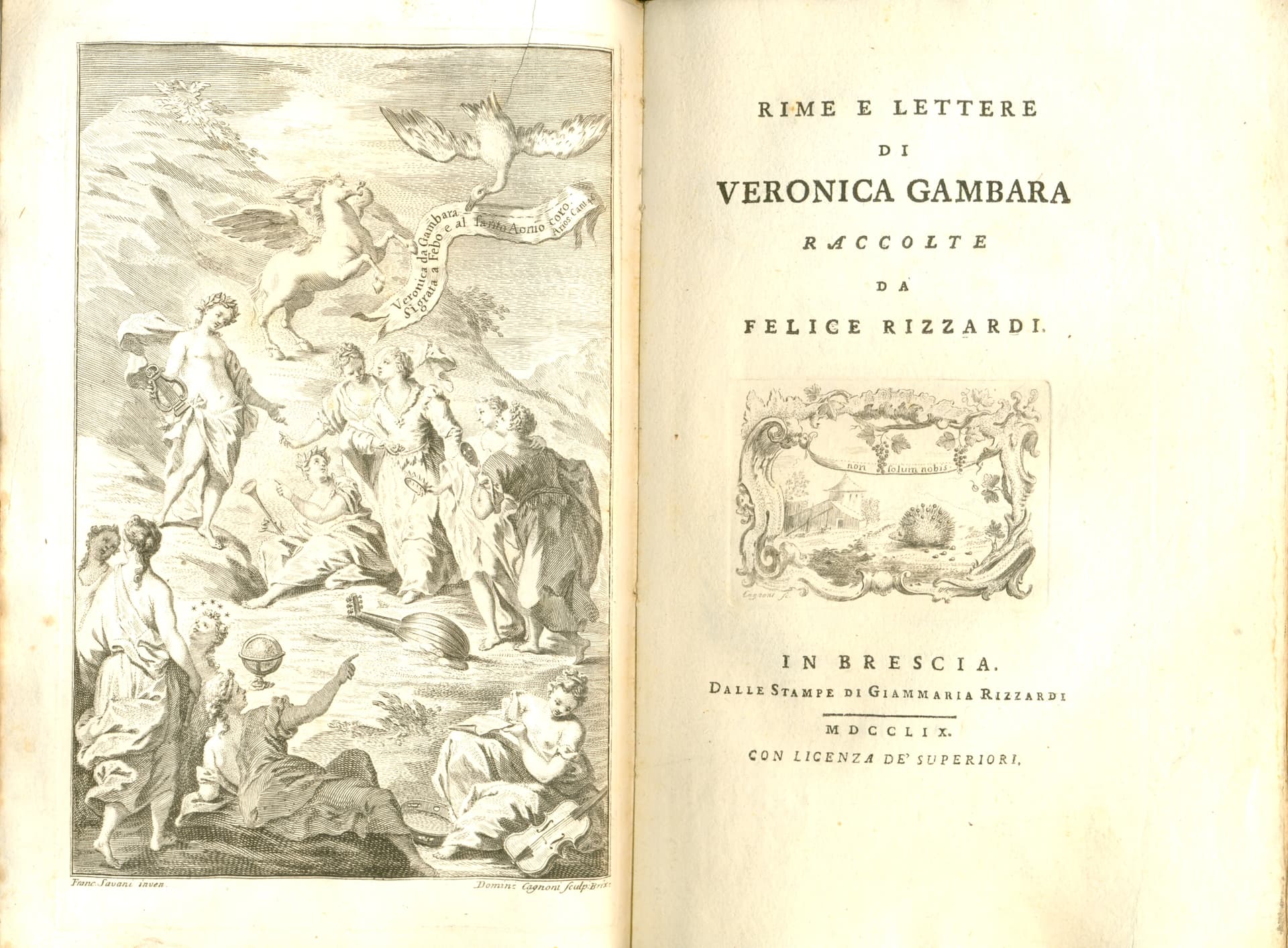
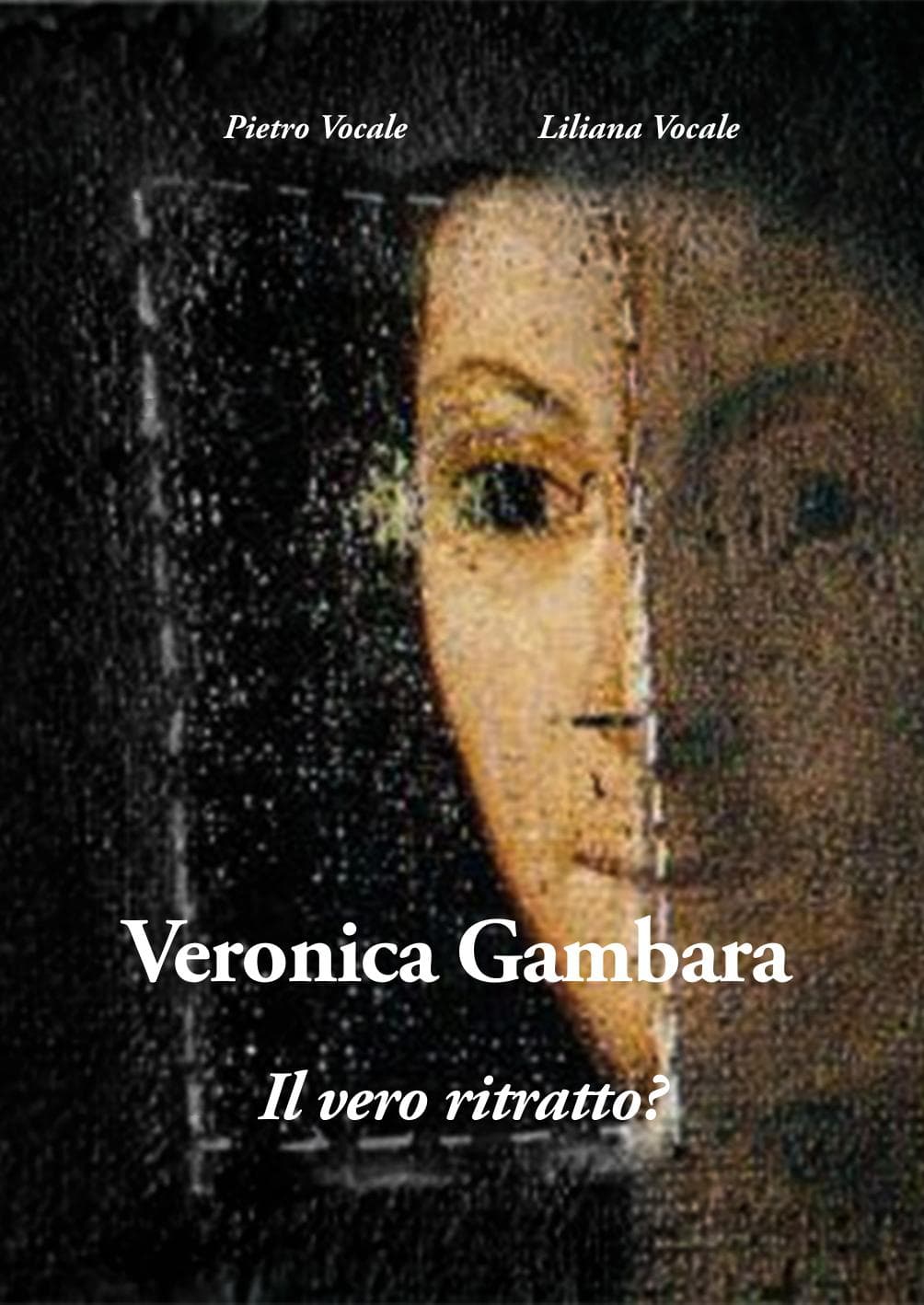
Veronica Gambara was born in Pralboino in 1485. Wife of Giberto X di Correggio, widowed in 1518, she was remembered for her learning, her eloquence, and a literary circle that counted Ariosto among its names. Chroniclers do not paint her as a delicate muse: Rinaldo Corso, who knew her, speaks of a tall, strong build, a face that was “never very delicate,” and conversation that could compel admiration. That tension — force and mind rather than conventional grace — is the thread that ties the written sources to the portraits long attached to her name.
For centuries the “true” image of Gambara has been a battlefield. Brescia, Parma, Lonato, nineteenth-century lithographs, the Hermitage lady signalled by Roberto Longhi in 1958 and challenged in later scholarship: verso labels, family tradition, and big-name attributions are never enough. Finzi’s survey of her portraiture remains the densest map of that maze. Every new canvas with a “Veronica Gambara” slip asks for caution, not excitement.
The 2017 volume does not close the case. It adds a tessera: the Roman oil on canvas (about 51×45 cm), unsigned, without a clear paper trail from the family’s last heirs. The authors set it beside the historical sources and the known portrait tradition — heroic dress, sword, steady gaze — and beside possible artistic circuits of the 1510s–20s, including the presence in Rome around 1520 of painters such as the Dossi. There is no claim of a settled attribution in print; there is the wish to place the painting before a wider circle of scholars, in the hope that some still-closed archive will one day say more.
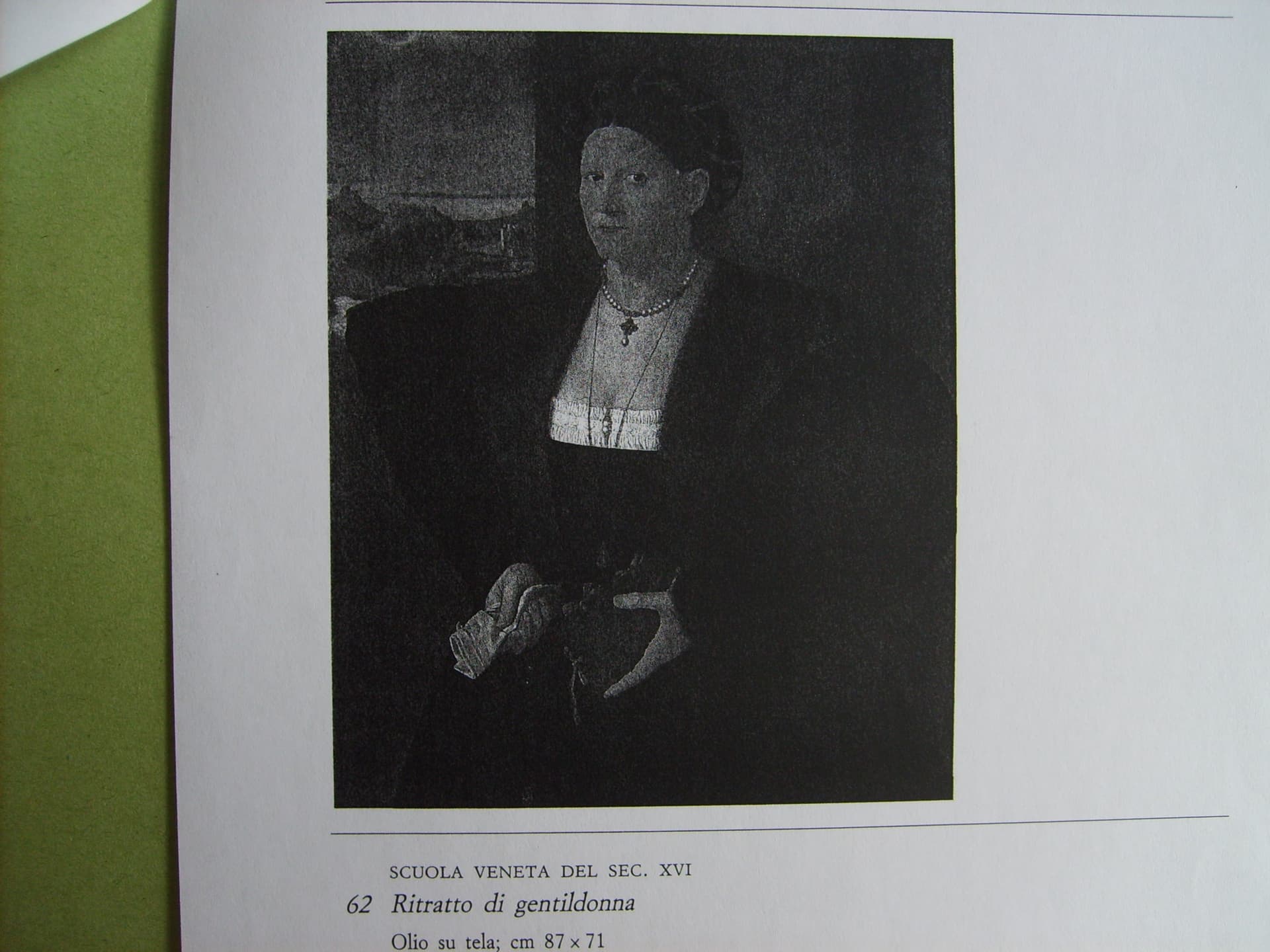
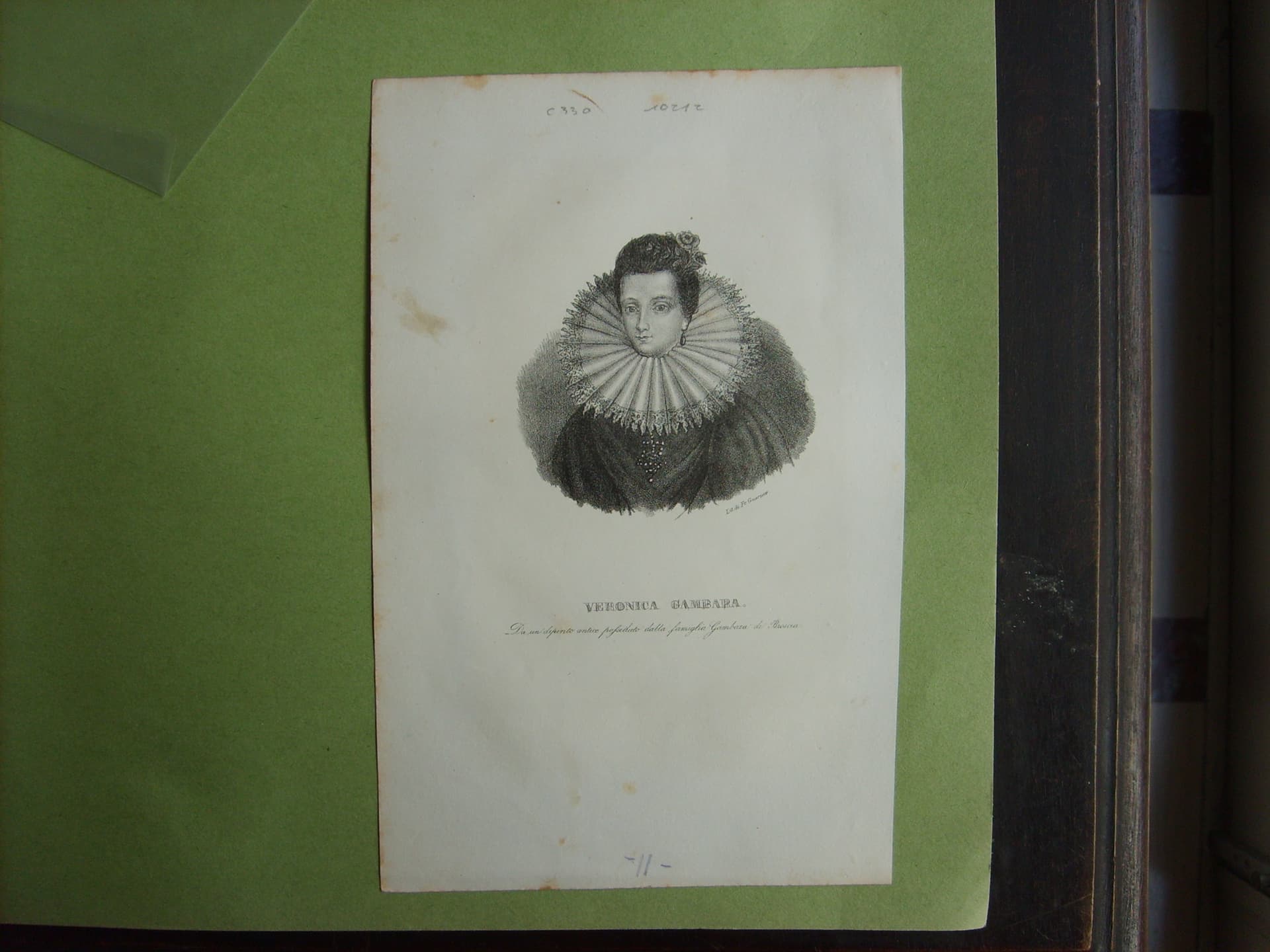
So *The True Portrait?* stays faithful to the question mark in its title: a gallery and scholarly inquiry, not a verdict. Readers leave with a fuller sense of the poet — and with one more image still open to debate. A few copies of the volume remain available.
Contact: liquorvitae@gmail.com